Asbestos is one of the most hazardous materials ever used in construction. Although it was fully banned in the UK in 1999, asbestos-containing materials (ACMs) remain present in millions of buildings constructed before this date. For property owners, landlords, and facilities managers, understanding asbestos risks and how to manage them safely is essential, both legally and ethically.
This guide explains what asbestos is, where it is found, your legal responsibilities, and why professional management and removal are critical.
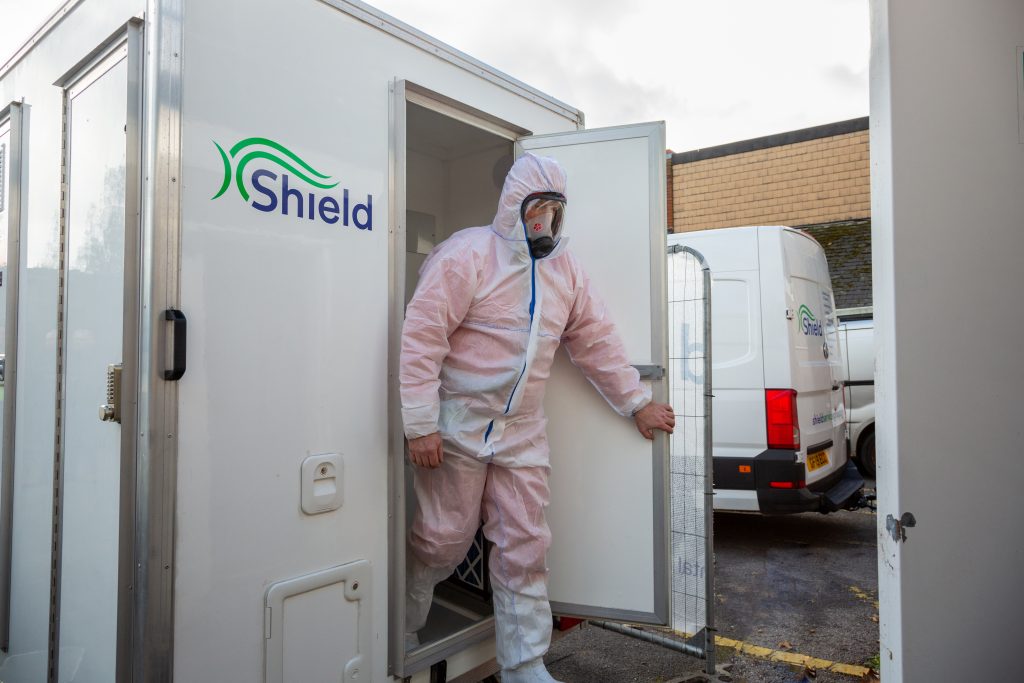
What Is Asbestos?
Asbestos is a group of naturally occurring minerals that were widely used in construction for their strength, fire resistance, and insulating properties. It was commonly added to building materials from the 1950s through to the late 1990s.
While asbestos products are generally safe when intact and undisturbed, they become extremely dangerous when damaged, drilled, cut, or broken.
Why Asbestos Is Dangerous to Health
When asbestos-containing materials are disturbed, they release microscopic fibres into the air. These fibres can be inhaled and become trapped in the lungs, where the body cannot break them down.
Long-term exposure can lead to serious illnesses, including:
- Mesothelioma
- Lung cancer
- Asbestosis
- Pleural thickening
A major risk is that asbestos-related diseases often take 20–50 years to develop, meaning people may not realise they have been exposed until decades later.

Where Asbestos Is Commonly Found
Asbestos was used in a wide range of construction products. It can still be found in many older properties, particularly in:
- Asbestos insulation boards (AIB)
- Pipe lagging and boiler insulation
- Cement roofing sheets and wall cladding
- Floor tiles and bitumen adhesives
- Ceiling panels and textured coatings
- Fire doors and partition walls
Because asbestos is not always visible or easily identifiable, it should never be assumed that a material is safe without professional assessment.
Who Is Responsible for Asbestos Management?
Under UK legislation, anyone responsible for non-domestic premises has a legal “Duty to Manage” asbestos. This typically includes:
- Building owners
- Landlords
- Facilities and estate managers
- Managing agents
These duty holders must identify asbestos, assess its condition, manage the risk, and ensure anyone working on the property is informed.
Failure to comply can result in enforcement action, heavy fines, and serious health consequences.
Understanding the Duty to Manage Asbestos
The Duty to Manage requires a structured and proactive approach. This includes:
- Identifying asbestos-containing materials
- Keeping an up-to-date asbestos register
- Assessing the risk of fibre release
- Creating and maintaining a management plan
- Regularly reviewing and monitoring materials
This duty applies even if no building work is planned, as asbestos can deteriorate over time.
The Importance of Professional Asbestos Surveys
An asbestos survey is the first and most important step in asbestos management. Surveys identify the location, type, and condition of ACMs, allowing informed decisions to be made.
There are two main types of survey:
- Management Surveys – Used to manage asbestos during normal building occupation
- Refurbishment and Demolition Surveys – Required before intrusive works take place
Surveys must be carried out by trained and competent professionals to ensure accurate results and legal compliance.
When Does Asbestos Need to Be Removed?
Asbestos does not always need immediate removal. If materials are in good condition and unlikely to be disturbed, they can often be safely managed in place.
However, removal is usually required when:
- Asbestos is damaged or deteriorating
- Refurbishment or demolition work is planned
- There is a high risk of disturbance
- Materials pose a significant health risk
A professional risk assessment will determine the safest and most appropriate solution.
Why Safe Asbestos Removal Must Be Carried Out by Specialists
Asbestos removal is a highly regulated activity that requires specialist training, equipment, and procedures. Some work must be undertaken by licensed contractors under strict control measures.
Professional asbestos removal includes:
- Controlled removal techniques to prevent fibre release
- Sealed enclosures and negative pressure systems
- Correct use of personal protective equipment (PPE)
- Safe transportation and disposal of hazardous waste
- Air monitoring and clearance testing
Attempting to remove asbestos without the correct expertise can result in widespread contamination and serious health risks.
Ongoing Asbestos Management and Monitoring
Where asbestos is managed in place, ongoing monitoring is essential. This may include encapsulation, labelling, routine inspections, and regular updates to the asbestos register.
A proactive management plan helps ensure materials remain safe and compliant throughout the life of the building.
Asbestos awareness is not just a regulatory requirement, it is a vital responsibility that protects lives. Understanding where asbestos may be present, recognising the risks, and working with qualified professionals ensures it is managed or removed safely.
Whether you are overseeing a commercial property, planning refurbishment works, or managing a large estate, taking asbestos seriously reduces risk, ensures compliance, and provides peace of mind. With the right expertise and approach, asbestos can be controlled safely and effectively.


Latest News
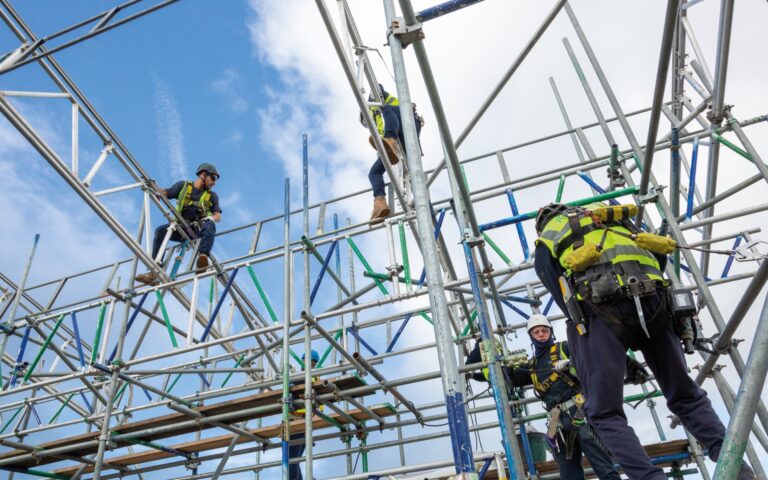
Winter can create additional challenges for construction, maintenance and refurbishment projects across the UK. Falling temperatures, shorter daylight hours, rain, ice and strong winds can all affect working conditions, making [...]
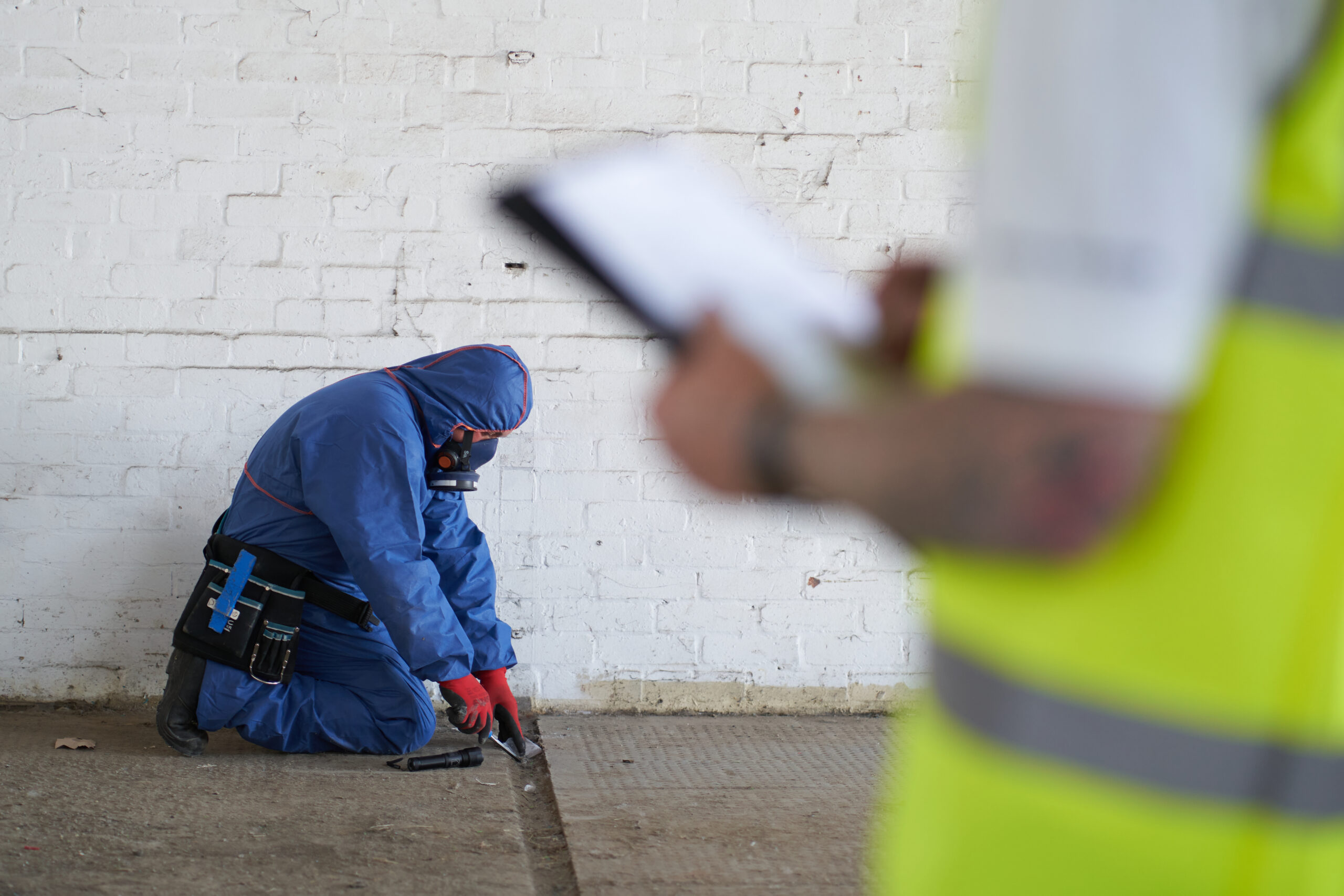
Asbestos remains an important consideration for schools across the UK, particularly in buildings constructed or refurbished before asbestos was banned in 1999. When asbestos-containing materials (ACMs) are in good condition [...]

Will Your Premises Be Vacant This Autumn? A Fire & Security Checklist As the days get shorter and the nights draw in, some commercial premises may be left vacant or [...]