The eight metre length of steel tram rail was recovered by Shield Environmental contracted for the demolition phase of the former Kier Construction offices in Millbay to make way for the construction of Plymouth’s long awaited £20million “boulevard”.
Believed to be dated back to the 1900 the tram rail once part of Plymouth Corporation’s network of tramways, served another purpose for over half a century. It was recovered from a joinery workshop, situated between Bath Street and Martin Street, where it had been built-in prior to 1945. The length of rail spanned across the joiners shop at about 2.5 metres above the floor, and was used in the process of staircase manufacture.
John Netherton, volunteer and director of Plym Valley Railway (PVR), where the tram rail is now sited, worked in the joiners shop from 1955 until his retirement in 2004. He approached Shield Environmental, who were more than happy to help retain an item of historical interest. As well as donating the rail, Shield also transported it to PVR’s site at Coypool Road, Plympton.
Mr Netherton, said: “It (the tram rail) was used in the process of ‘wedging up staircases’ where a low platform was created just off floor level.
“The stairs were assembled on their side and props driven in the keep the staircase held together and stair wedges glued and driven in to the underside of the treads and risers.
“The tram rail is still almost as good as new and not a bit like the rusty ones which become unearthed from time to time on redevelopment sites in the city.”

Latest News

As we approach 2027, asbestos remains a significant health and safety concern for commercial property owners, facilities managers and businesses across the UK. Despite being banned in 1999, asbestos-containing materials [...]
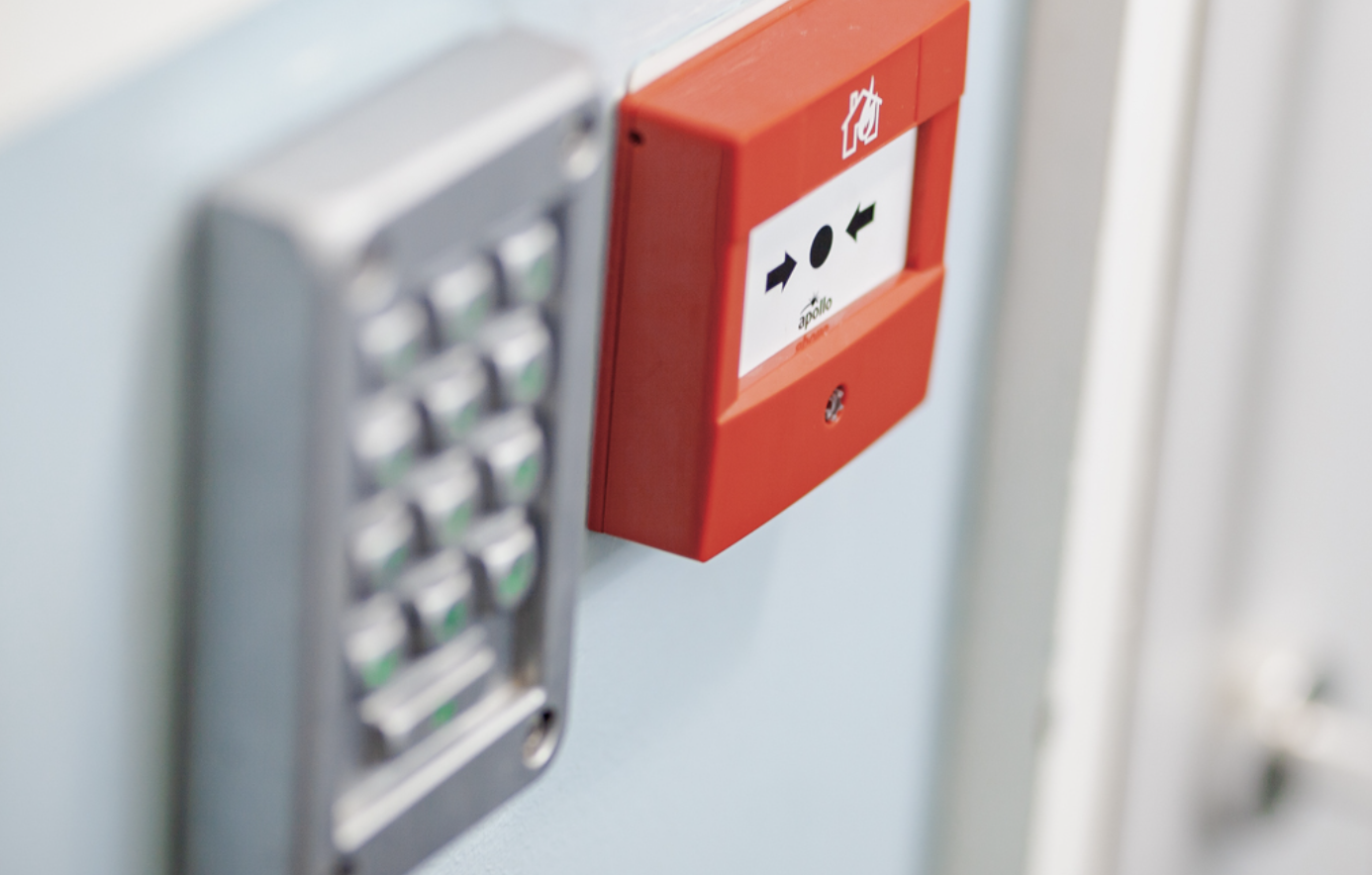
Fire safety failures aren't always obvious. While commercial buildings may have fire alarms, extinguishers and evacuation procedures in place, overlooked maintenance issues and building alterations can create serious vulnerabilities. As [...]
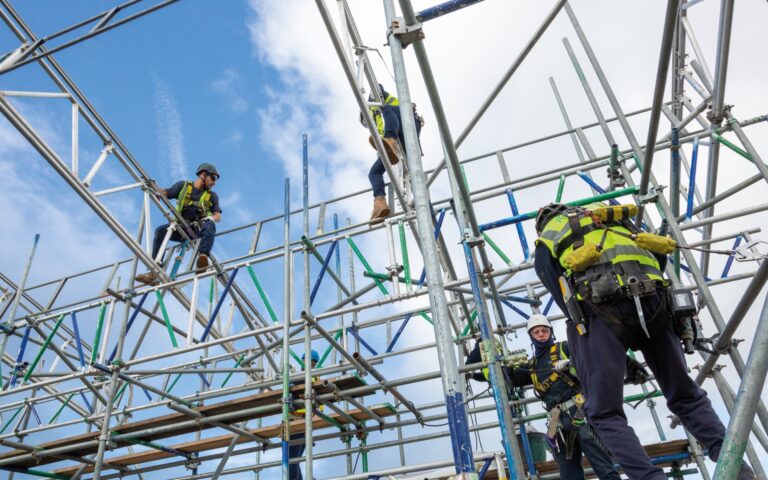
Winter can create additional challenges for construction, maintenance and refurbishment projects across the UK. Falling temperatures, shorter daylight hours, rain, ice and strong winds can all affect working conditions, making [...]