Autumn is an important transition period for commercial property and facilities management teams.
Falling temperatures, heavier rainfall, stronger winds and reduced daylight can expose weaknesses in buildings that may have gone unnoticed during the summer months. At the same time, heating systems return to regular use and businesses begin preparing their premises for the demands of winter.
Rather than waiting for problems to arise, autumn provides an ideal opportunity to review building conditions, compliance and planned maintenance requirements.
Here are some of the key areas commercial property owners and facilities managers should consider.
1. Review heating, HVAC and mechanical systems
Heating and ventilation systems are placed under considerably greater demand as temperatures fall.
Planned maintenance ahead of winter can help identify worn components, performance issues and potential failures before they result in uncomfortable working environments or costly reactive repairs.
Air conditioning, ventilation, boilers, pumps and associated mechanical systems should all form part of an autumn maintenance review.
2. Inspect roofs and external areas
Autumn weather can quickly expose problems with roofs, guttering, drainage systems and building exteriors.
Leaves and debris can block gutters and drains, while increased rainfall can highlight leaks or damaged roofing materials.
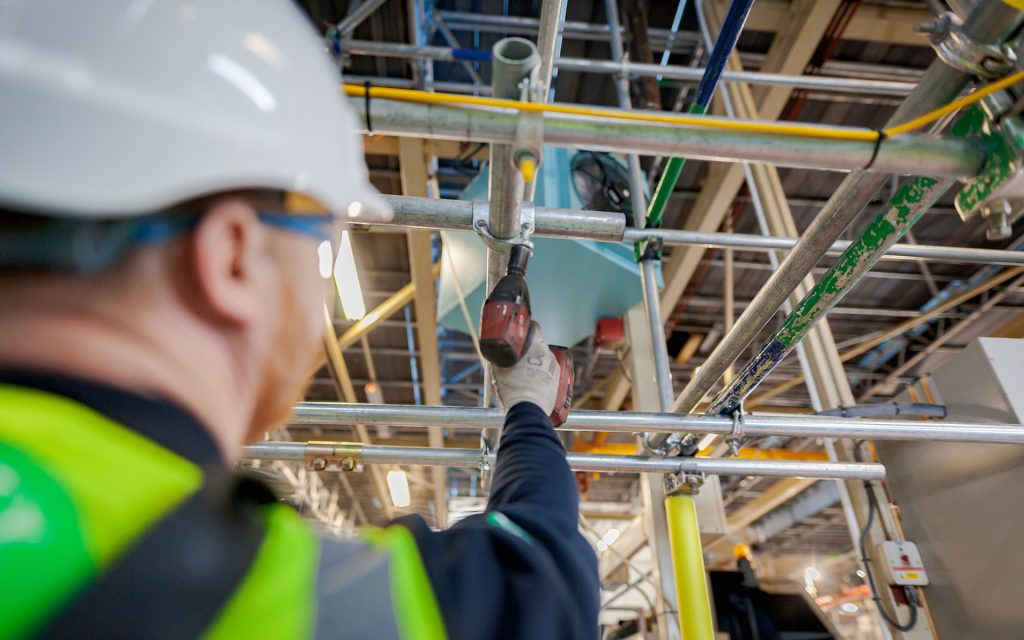
For work at height, appropriate access solutions and professionally designed scaffolding may also be required to allow repairs and inspections to be undertaken safely.
3. Check fire safety measures
Fire safety should be reviewed throughout the year, but changes in building use during colder months make autumn a useful time to check that systems remain effective.
This may include examining passive fire protection, fire stopping, compartmentation and associated building safety measures.
Any damage caused by previous building works should also be identified and addressed.
4. Consider asbestos before maintenance begins
Many winter maintenance activities involve accessing ceilings, service ducts, pipework, plant rooms and other less frequently disturbed areas.
In buildings constructed before 2000, asbestos-containing materials may still be present.
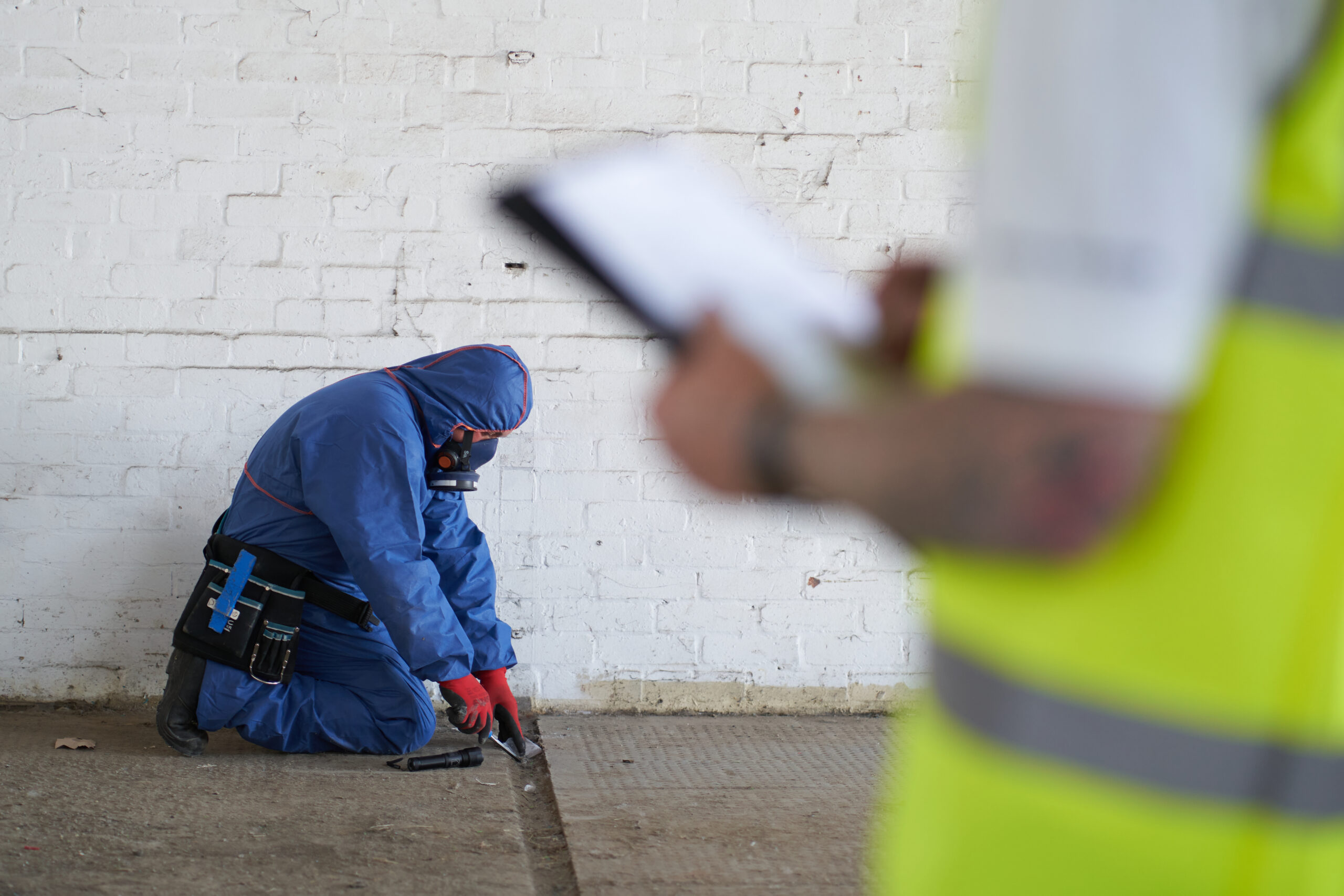
Facilities managers should ensure asbestos registers remain accurate and that appropriate surveys are undertaken before intrusive refurbishment or maintenance work begins.
5. Assess insulation and energy efficiency
As heating requirements increase, poorly insulated areas can have a greater impact on both building comfort and energy consumption.
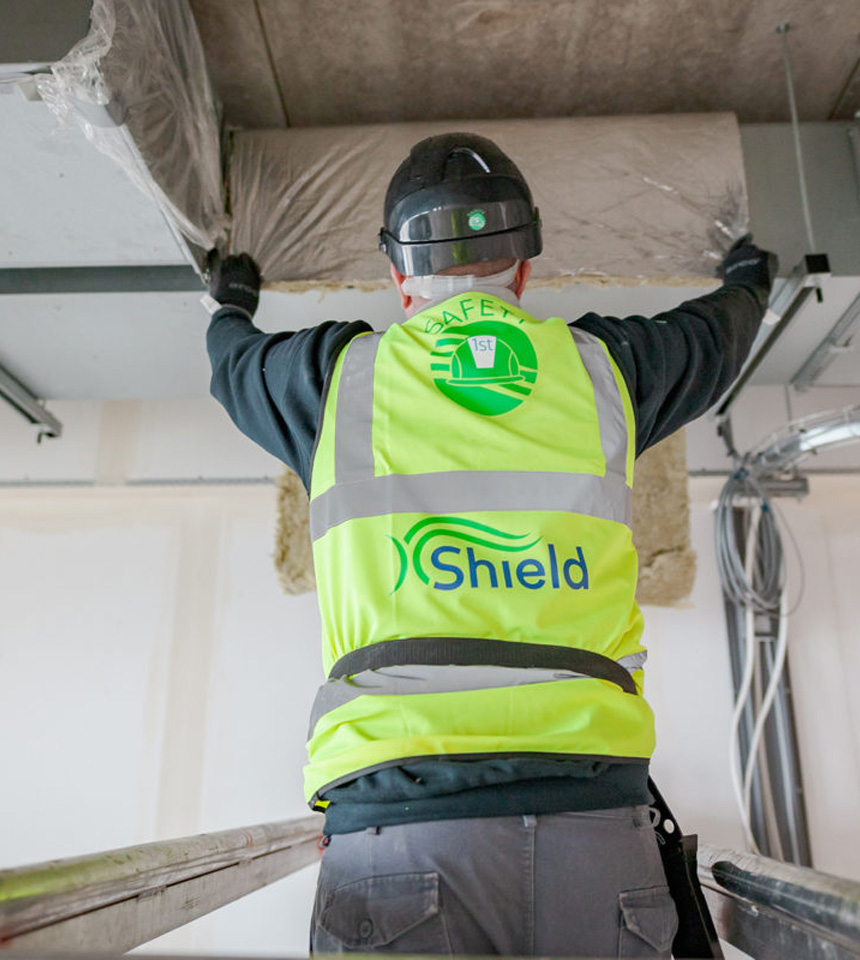
Reviewing thermal insulation around pipework, mechanical systems and building services can help identify opportunities to improve efficiency while protecting equipment from colder temperatures.
6. Plan for reactive winter maintenance
Even with strong preventative maintenance, unexpected issues can happen.
Having trusted contractors and clear escalation procedures in place before winter arrives can make a significant difference when urgent repairs are required.
Luke House, Chairman of Shield Services Group, said:
“Good facilities management is about looking ahead. Autumn gives organisations an opportunity to identify potential issues, carry out preventative work and make sure their buildings are prepared before harsher winter conditions arrive.”
Taking an integrated approach
Managing a commercial building can involve multiple specialist disciplines, which is why working with a contractor capable of supporting several areas of building maintenance and compliance can simplify the process.
Shield Services Group supports organisations across the UK through specialist services including mechanical, electrical and facilities services, asbestos removal, scaffolding, passive fire protection and insulation.
With autumn underway, now is the time for commercial property owners and facilities teams to review their buildings, prioritise essential maintenance and ensure they are ready for the months ahead.

Latest News

Winter can create additional challenges for construction, maintenance and refurbishment projects across the UK. Falling temperatures, shorter daylight hours, rain, ice and strong winds can all affect working conditions, making [...]
Asbestos remains an important consideration for schools across the UK, particularly in buildings constructed or refurbished before asbestos was banned in 1999. When asbestos-containing materials (ACMs) are in good condition [...]
Will Your Premises Be Vacant This Autumn? A Fire & Security Checklist As the days get shorter and the nights draw in, some commercial premises may be left vacant or [...]