Winter can create additional challenges for construction, maintenance and refurbishment projects across the UK. Falling temperatures, shorter daylight hours, rain, ice and strong winds can all affect working conditions, making effective planning particularly important when scaffolding is being used.
While scaffolding safety needs to be considered throughout the year, changing weather conditions during autumn and winter can introduce additional hazards. Understanding these risks and ensuring appropriate measures are in place can help projects continue safely throughout the colder months.
How Winter Weather Can Affect Scaffolding
One of the most obvious challenges during winter is the weather itself. Rain, frost, ice and, in some areas, snow can make scaffold boards and access points more slippery, increasing the potential for slips and falls.
Strong winds also need to be carefully considered. Scaffolding structures can be exposed to significant wind loads, particularly on taller buildings or in exposed locations. Sheeting, netting and other materials attached to scaffolding can also affect wind loading and must be appropriately considered as part of the scaffold’s design and ongoing management.
Conditions can change quickly during winter, meaning a scaffold that was safe to use in one set of conditions may need to be reassessed following severe weather.
Shorter days bring another consideration: visibility. Where work takes place early in the morning or later in the afternoon, suitable lighting may be required to ensure workers can safely access and move around the scaffold.
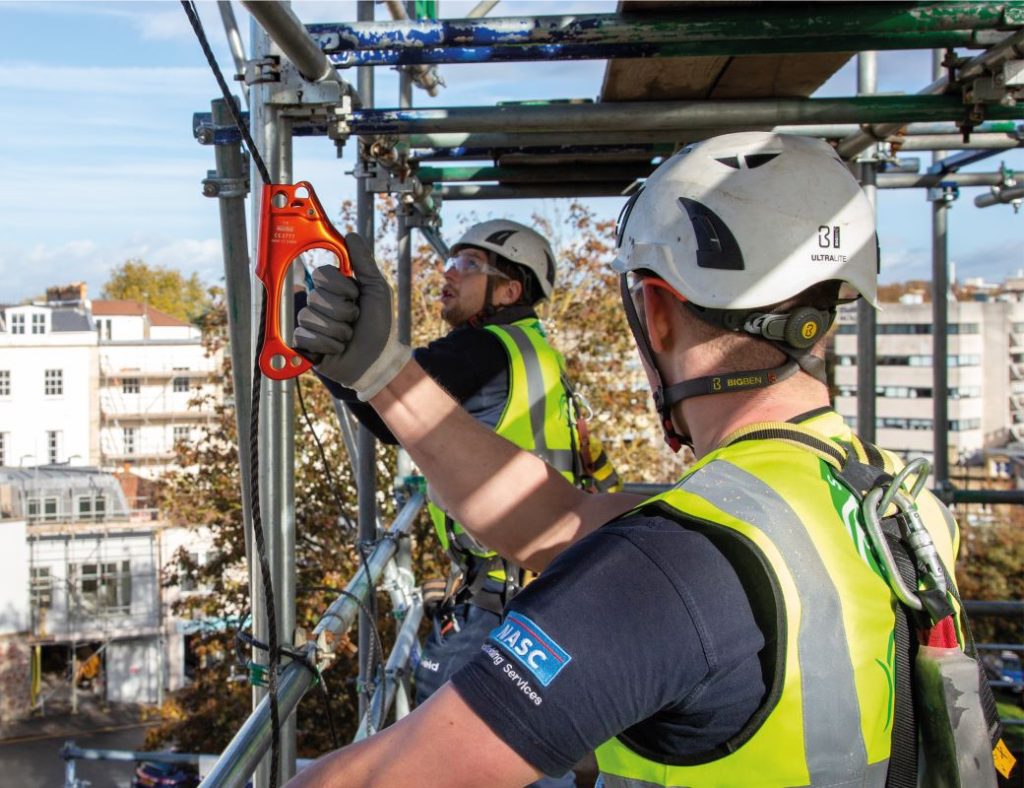
Inspections and Ongoing Site Safety
Regular scaffold inspections are an important part of maintaining a safe working environment throughout the year, but winter weather makes ongoing vigilance particularly important.
Scaffolding should be inspected by a competent person at the required intervals and following circumstances that could affect its safety, such as severe weather conditions or significant alterations.
Site teams should also remain alert to changing conditions between formal inspections. Ice, standing water, debris or damage caused by high winds could create hazards that need to be addressed before work continues.
Good housekeeping can make a significant difference. Keeping platforms, access routes and working areas clear helps reduce unnecessary hazards, while appropriate storage can prevent loose materials from becoming a risk during periods of strong wind.
Planning Scaffolding Projects During Winter
Winter working does not necessarily mean projects need to stop. Instead, it requires careful planning, ongoing monitoring and an understanding of how seasonal conditions can affect both the scaffold and the people using it.
Weather forecasts should form part of day-to-day site planning, particularly when strong winds, heavy rain, frost or snow are expected. Project teams should also have clear procedures for deciding when conditions mean work should be paused and when scaffolding needs to be inspected before being used again.
Working with an experienced scaffolding contractor can help ensure the requirements of the project, building and working environment are considered from the outset.
Shield Services Group provides specialist scaffolding services for projects across the UK, supporting clients across a wide range of commercial and industrial environments.
From initial planning and scaffold design through to installation and ongoing project support, our experienced team works closely with clients to deliver safe, practical scaffolding solutions throughout the year.
Planning a project this winter? Contact Shield Services Group to discuss your scaffolding requirements.

Latest News
Fire safety failures aren't always obvious. While commercial buildings may have fire alarms, extinguishers and evacuation procedures in place, overlooked maintenance issues and building alterations can create serious vulnerabilities. As [...]
Winter can create additional challenges for construction, maintenance and refurbishment projects across the UK. Falling temperatures, shorter daylight hours, rain, ice and strong winds can all affect working conditions, making [...]
Asbestos remains an important consideration for schools across the UK, particularly in buildings constructed or refurbished before asbestos was banned in 1999. When asbestos-containing materials (ACMs) are in good condition [...]