Birmingham has a substantial stock of older offices, factories, warehouses, shops and public buildings. Where a commercial property was constructed or refurbished before 2000, asbestos-containing materials may still be present within its structure.
Asbestos was widely used because of its strength, insulating qualities and resistance to heat. It can therefore be found in many different areas of a commercial building, including places that are not immediately visible.
Pipework, boilers and plant rooms
Asbestos insulation was frequently used around pipes, boilers and other heating equipment. This may include lagging, insulation residues and asbestos-containing gaskets.
Pipe lagging and loose insulation can release fibres easily when damaged. Most work involving these higher-risk materials must be carried out by an HSE-licensed asbestos contractor.
Ceilings and internal partitions
Asbestos insulating board was used in ceiling tiles, suspended ceilings, wall linings, partitions and fire-resistant panels. It can resemble plasterboard, making visual identification unreliable.
Drilling through a partition or removing a suspended ceiling without checking the asbestos register could disturb concealed materials.
Structural steelwork
Some older industrial and commercial buildings used sprayed asbestos coatings to protect structural beams and columns against fire and heat.
Sprayed coatings can contain a high proportion of asbestos and break up easily. Work involving sprayed asbestos is considered higher risk and requires a licensed contractor.
Flooring
Asbestos may be present in thermoplastic floor tiles, vinyl products, backing materials and older adhesives. These products may be hidden underneath newer flooring, carpet or laminate.
Flooring materials should not be lifted, sanded or mechanically removed until their composition has been properly assessed.
Roofs and external areas
Asbestos cement was commonly used for corrugated roofing sheets, wall cladding, gutters, downpipes, soffits and flues. It is particularly common in older warehouses, workshops, garages and industrial units.
Although asbestos cement usually presents a lower risk than materials such as lagging, it can still release fibres when cut, drilled, broken or aggressively cleaned.
Service risers and hidden spaces
Asbestos-containing materials may be concealed above false ceilings, underneath floors, inside service ducts, behind access panels or within wall cavities.
This is one reason a standard management survey may not be sufficient before major refurbishment. A refurbishment or demolition survey is more intrusive and is designed to identify materials hidden within the areas affected by the proposed work.

The duty to manage asbestos
The Control of Asbestos Regulations places a duty on those responsible for the maintenance or repair of non-domestic premises. Depending on the building and its contractual arrangements, the dutyholder could be the owner, landlord, tenant, facilities manager or another organisation with responsibility for maintenance.
The dutyholder must establish whether asbestos is present, record its location and condition, assess the risk and maintain an asbestos management plan. Information must also be provided to anyone who could disturb the material.
Asbestos does not always need to be removed. Material that is in good condition and unlikely to be disturbed may be safely managed and monitored. If it is damaged or likely to be affected by maintenance or refurbishment, it may need to be protected, encapsulated or removed.
Shield Services Group provides asbestos surveying, management and removal services to commercial and industrial organisations throughout Birmingham and the West Midlands.

Latest News
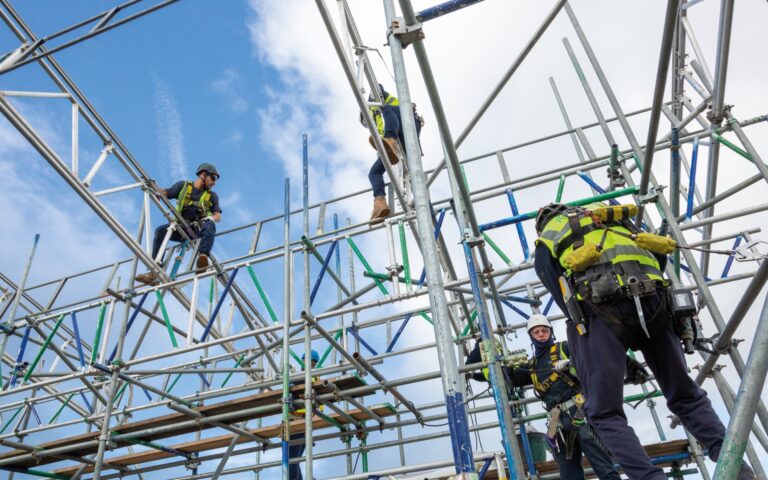
Winter can create additional challenges for construction, maintenance and refurbishment projects across the UK. Falling temperatures, shorter daylight hours, rain, ice and strong winds can all affect working conditions, making [...]
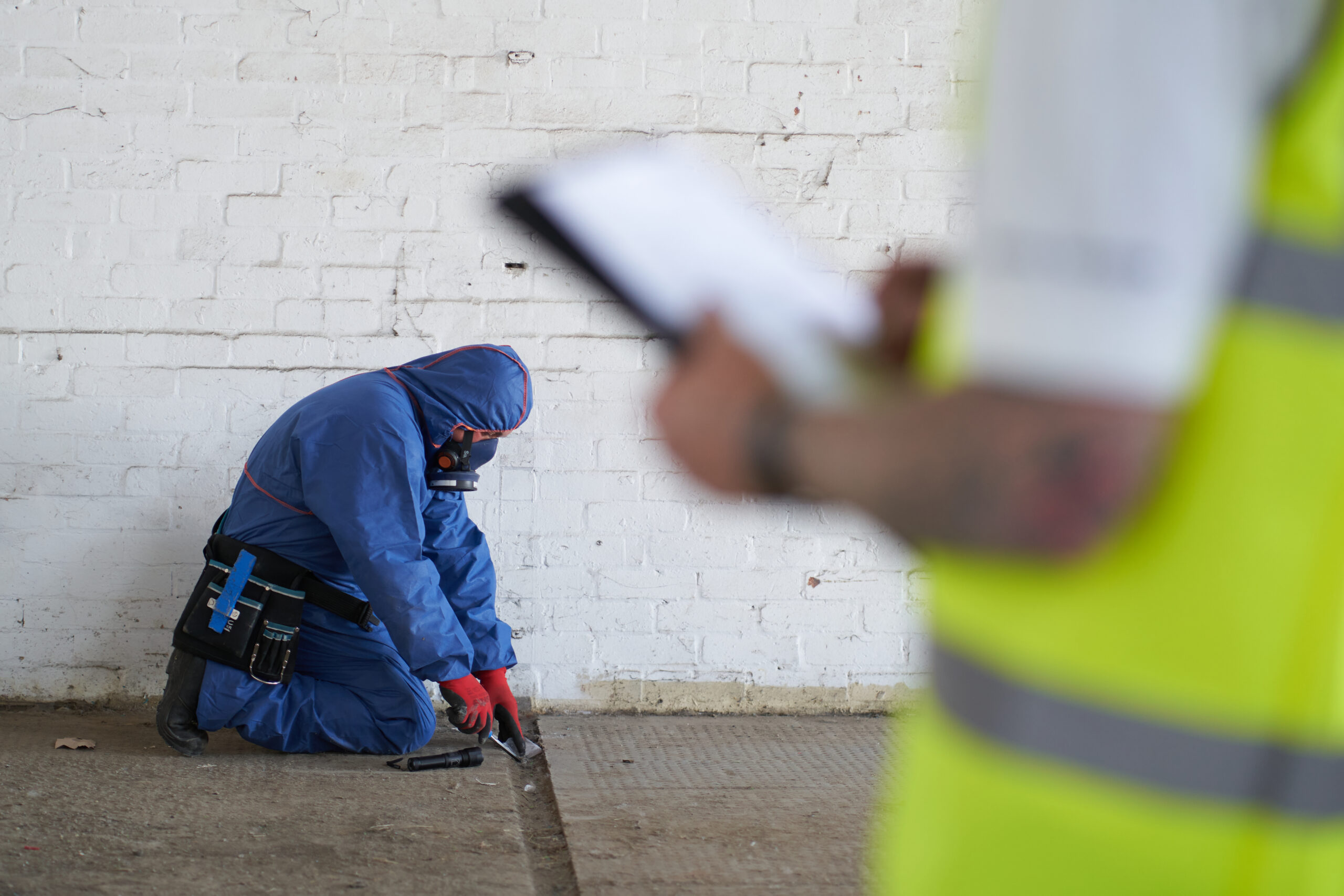
Asbestos remains an important consideration for schools across the UK, particularly in buildings constructed or refurbished before asbestos was banned in 1999. When asbestos-containing materials (ACMs) are in good condition [...]
Will Your Premises Be Vacant This Autumn? A Fire & Security Checklist As the days get shorter and the nights draw in, some commercial premises may be left vacant or [...]