Discovering or damaging asbestos during a renovation project can be alarming. Unfortunately, many homeowners, tradespeople, and property managers unknowingly disturb asbestos-containing materials while carrying out maintenance or refurbishment work.
Knowing what to do next is essential for protecting your health and preventing further contamination.
Why Disturbed Asbestos Is Dangerous
Asbestos becomes hazardous when damaged, broken, drilled, cut, or otherwise disturbed. When this happens, microscopic fibres can be released into the air.
These fibres are invisible to the naked eye and can remain airborne for long periods. If inhaled, they may become lodged in the lungs and increase the risk of serious health conditions including:
- Mesothelioma
- Lung cancer
- Asbestosis
The risk generally increases with repeated or prolonged exposure.
Stop Work Immediately
If you suspect asbestos has been disturbed, the first step is to stop all work immediately.
Do not continue drilling, sanding, cutting, sweeping, or cleaning the area. Any further disturbance could release additional fibres into the air and increase contamination.
Restrict Access to the Area
Keep people away from the affected area wherever possible.
Close doors, isolate the space, and prevent unnecessary movement through the area until professional advice has been obtained. This helps reduce the risk of fibres spreading throughout the property.
Avoid Cleaning Up Yourself
One of the biggest mistakes people make is attempting to vacuum, sweep, or remove debris themselves.
Standard household vacuums are not designed to contain asbestos fibres and can actually worsen contamination. Similarly, brushing or sweeping debris may release more fibres into the air.
Professional asbestos specialists use specialist equipment and controlled procedures designed specifically for hazardous materials.

Arrange Professional Testing
If asbestos is suspected, professional sampling and testing should be carried out as soon as possible.
An asbestos surveyor can determine:
- Whether asbestos is present
- The type of asbestos material
- The level of risk
- Whether management or removal is required
Accurate testing ensures the correct next steps can be taken safely.
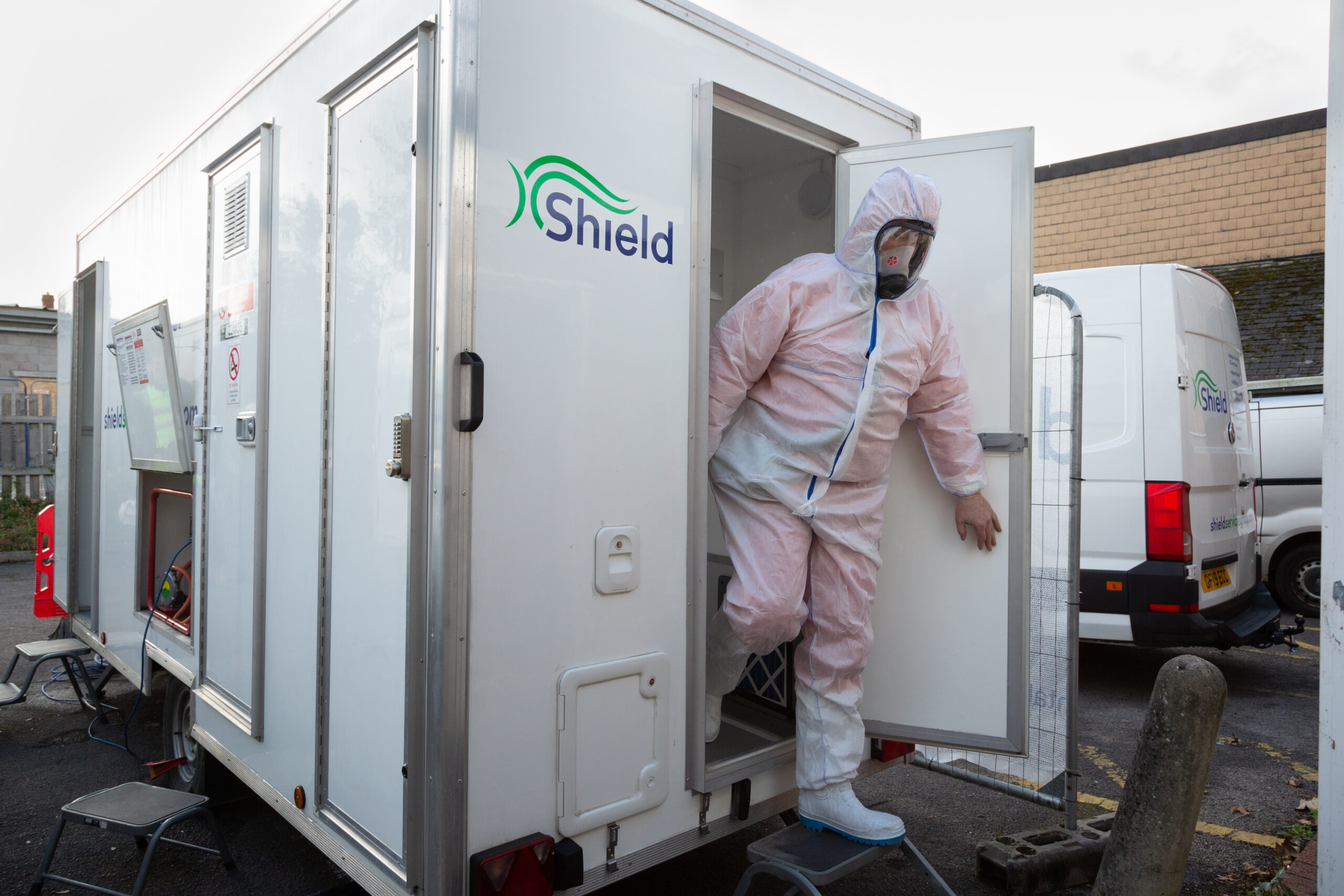

Latest News
Winter can create additional challenges for construction, maintenance and refurbishment projects across the UK. Falling temperatures, shorter daylight hours, rain, ice and strong winds can all affect working conditions, making [...]
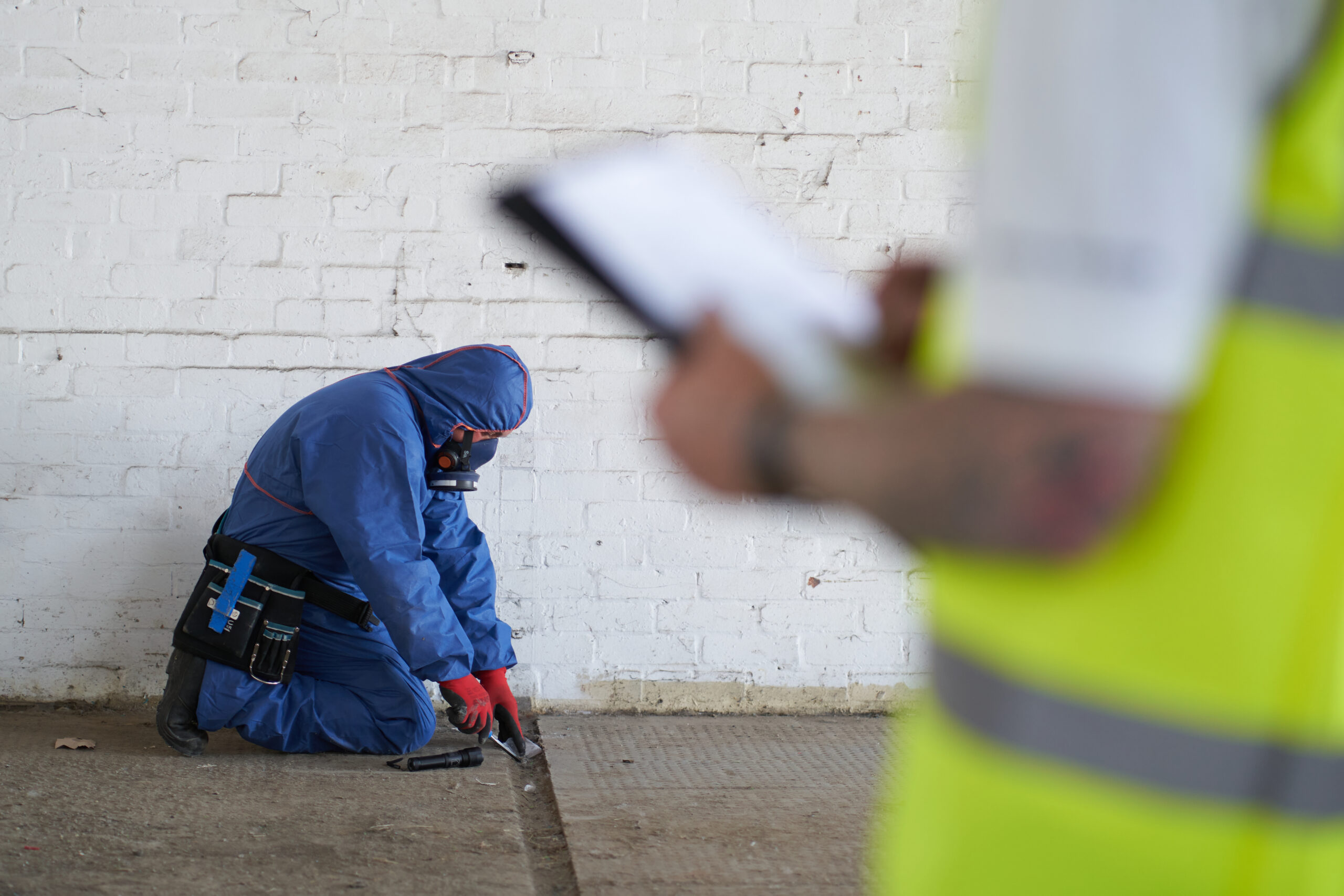
Asbestos remains an important consideration for schools across the UK, particularly in buildings constructed or refurbished before asbestos was banned in 1999. When asbestos-containing materials (ACMs) are in good condition [...]
Will Your Premises Be Vacant This Autumn? A Fire & Security Checklist As the days get shorter and the nights draw in, some commercial premises may be left vacant or [...]