If your home was built before the year 2000, there’s a chance it could contain asbestos-containing materials (ACMs). While asbestos isn’t always dangerous if left undisturbed, it can become a serious health risk when damaged or disturbed during renovation, maintenance or demolition work.
Here are 10 of the most common places asbestos can be found in UK homes.
Garage Roofs
Corrugated cement garage roofs are one of the most recognisable locations for asbestos. Although asbestos cement is generally considered lower risk than other asbestos materials, it should only be removed and disposed of safely by trained professionals.
Artex Ceilings
Textured coatings, commonly known as Artex, were widely used in homes from the 1960s through to the 1980s. Some older coatings contain asbestos and should always be tested before sanding, drilling or removing them.
Pipe Insulation
Older heating systems often used asbestos insulation around hot water pipes and boilers. This type of asbestos can release fibres if disturbed and requires specialist handling.
Floor Tiles
Many vinyl floor tiles and the adhesive used beneath them contained asbestos. These materials often remain hidden beneath newer flooring.
Soffits and Fascias
External soffits, fascias and roofline boards on older properties may contain asbestos cement, particularly on homes built before the 1990s.
Roofing Felt and Underlay
Some roofing materials, including underlays and felt products, incorporated asbestos to improve durability and fire resistance.
Water Tanks
Cold water storage tanks manufactured from asbestos cement were commonly installed in loft spaces across the UK.
Partition Walls
Asbestos insulating board (AIB) was regularly used in internal walls, ceiling panels and fireproof partitions. This material is considered higher risk than asbestos cement.
Boiler Cupboards
Older boiler cupboards and airing cupboards often contained asbestos insulating board or asbestos millboard for heat protection.
Fuse Boxes
Some older electrical consumer units and fuse boxes included asbestos flash guards or backing boards to improve fire resistance.
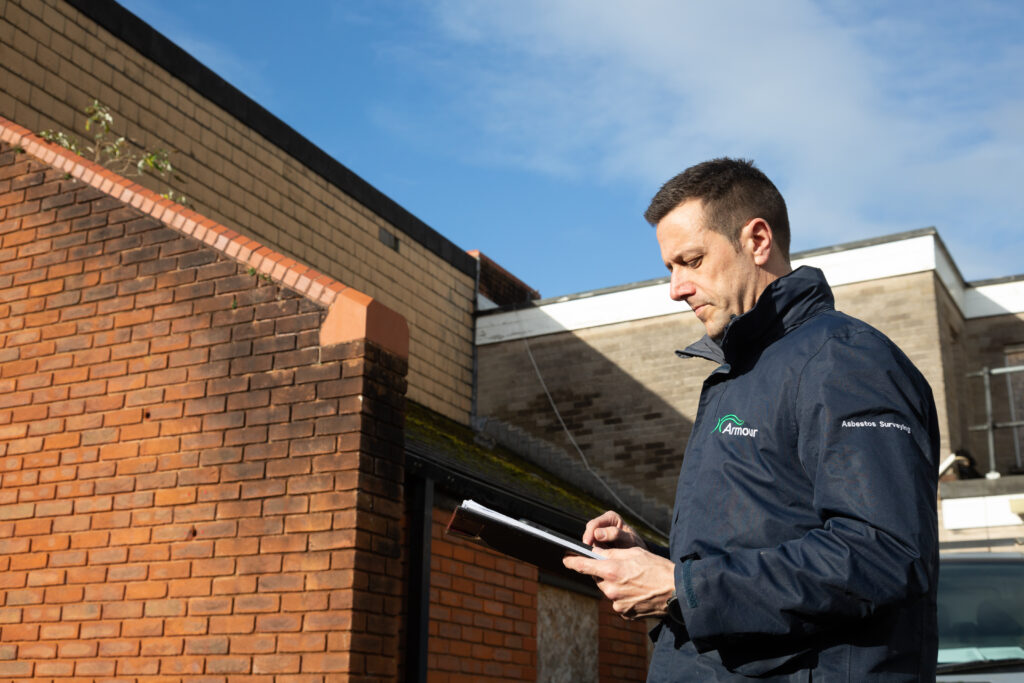
What Should You Do If You Suspect Asbestos?
If you believe your property contains asbestos, avoid disturbing the material. Drilling, sanding or breaking asbestos-containing materials can release harmful fibres into the air.
Before carrying out any refurbishment or demolition work, it’s recommended to arrange a professional asbestos survey. Shield Services Group provides comprehensive asbestos surveys, testing and licensed removal services for homeowners, landlords and commercial clients across the UK.
To learn more about our Asbestos Removal services, visit https://shieldservicesgroup.com/services/asbestos-removal/.
If you’re planning renovation work, our Asbestos Surveys can identify asbestos-containing materials before work begins: https://shieldservicesgroup.com/services/asbestos-surveys/.
You can also explore our full range of Asbestos Services, including sampling, air monitoring and consultancy: https://shieldservicesgroup.com/services/asbestos/.
Need Professional Advice?
Whether you’re renovating an older property or simply want peace of mind, Shield Services Group has the expertise to help you safely identify, manage and remove asbestos in line with current UK regulations. Contact our team today for professional guidance and support.
We have branches ready to assist with your asbestos removal, encapsulation and decontamination requirements.
Click below to find out more from our Asbestos Services Branches:
Birmingham, Bristol, Cardiff, Exeter, Truro, Warrington.

Latest News

Winter can create additional challenges for construction, maintenance and refurbishment projects across the UK. Falling temperatures, shorter daylight hours, rain, ice and strong winds can all affect working conditions, making [...]
Asbestos remains an important consideration for schools across the UK, particularly in buildings constructed or refurbished before asbestos was banned in 1999. When asbestos-containing materials (ACMs) are in good condition [...]
Will Your Premises Be Vacant This Autumn? A Fire & Security Checklist As the days get shorter and the nights draw in, some commercial premises may be left vacant or [...]